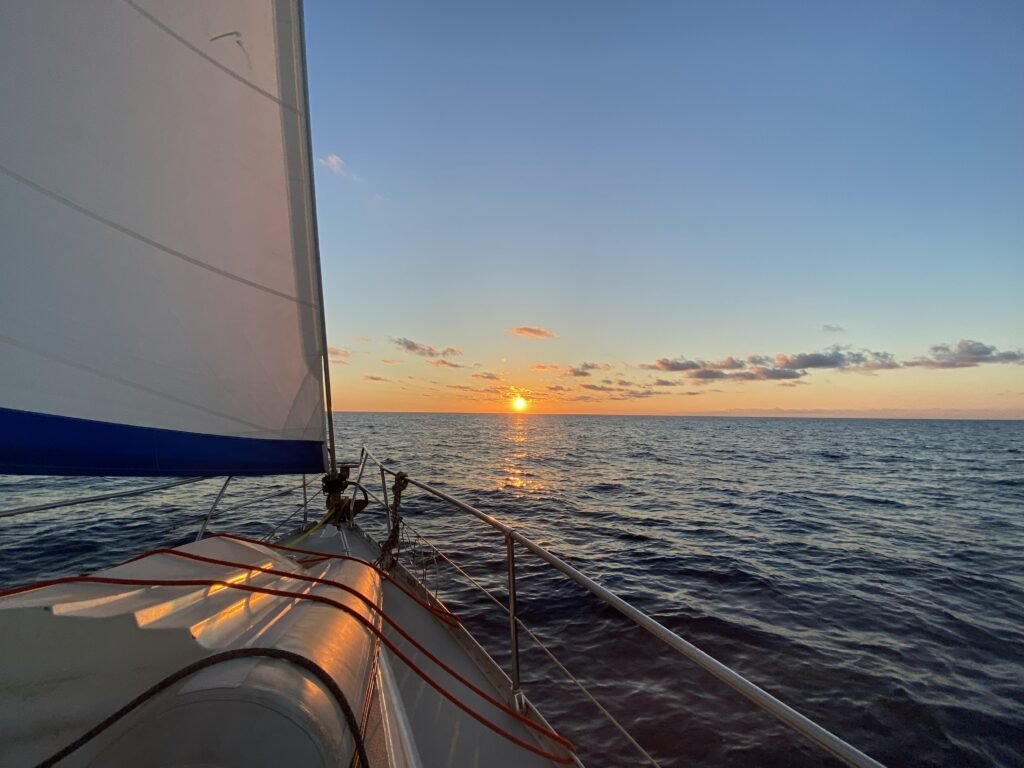
Single handed sailing changes the way you think about almost everything on a boat. When you’re alone at sea, preparation, reliability and knowing your boat become far more important.
Sailing single-handed changes the way you think about almost everything on a boat. There’s nobody else to take the wheel while you sort out a problem, nobody to make a cup of coffee while you’re navigating, and nobody to blame when something goes wrong. You learn pretty quickly that preparation matters.
I’ve spent a lot of time sailing HOBO on my own, and I certainly haven’t learned everything the easy way. Some lessons came from good passages. Others came from bad weather, broken equipment, tiredness and those moments when I’ve wondered why on earth I was doing this in the first place.
Preparation Is Everything
One of the biggest things I’ve learned about sailing alone is that you try to do things before they become urgent. If I know the weather is likely to change, I’d rather reef early than wait until I’m fighting the boat. If I’m going forward, I think about everything I might need before I leave the cockpit.
The same applies below deck. Food, water, clothing, navigation and anything else I’m likely to need should be easy to reach. Something that takes thirty seconds to find at the marina can become a real nuisance when the boat is rolling around and you’re the only person aboard.
The Autopilot Is Another Crew Member
When you’re sailing alone, a reliable autopilot becomes far more than a piece of equipment. It gives you another pair of hands. It lets you leave the wheel to trim sails, check the navigation, prepare something to eat or simply get out of the cockpit when something needs attention.
I learned just how important that was when my old autopilot became unreliable. In decent seas I couldn’t trust it to hold the boat properly, and single-handed sailing became exhausting very quickly. You can manage without an autopilot for a while, but on a longer passage it changes everything.
That experience was ultimately why I spent the money installing the new Raymarine system. The installation turned into a saga of its own, but once I finally got HOBO back to sea, having an autopilot I could trust made an enormous difference.
Tiredness Changes Everything
One thing that’s easy to underestimate when sailing single-handed is tiredness. When you’re the only person aboard, there’s nobody to take over because you’ve had enough for the day. The boat still needs sailing whether you’re fresh or completely worn out.
I’ve learned that once you become tired, even simple jobs start taking longer and small decisions become harder. That’s when mistakes can creep in. If conditions allow it, I try to make life easier for myself before I reach that point — reduce sail early, get everything organised and avoid creating unnecessary work.
There’s no prize for making things harder than they need to be. When you’re sailing alone, conserving your own energy is every bit as important as looking after the boat.
Stay With the Boat
One rule sits above almost everything else when I’m sailing alone: stay with the boat. If you go overboard while you’re single-handed, there may be nobody aboard to turn around and come back for you.
That changes how I think about moving around HOBO, particularly at night or when the weather gets rough. If I need to leave the cockpit, I want to know what I’m doing before I go forward rather than making unnecessary trips up and down the deck.
A harness, tether and good handholds are only useful if you actually use them. Single-handed sailing has taught me not to confuse confidence with safety. The sea doesn’t care how many years you’ve been sailing.
Reef Early, Not When It’s Too Late
When you’re sailing with a crew, you can put another pair of hands on deck when the wind starts building. Single-handed, you don’t have that luxury. I’d much rather shorten sail a little early and discover I didn’t need to than wait until HOBO is overpowered and I’m trying to sort everything out on my own.
Weather can change quickly, particularly on a longer passage. I keep an eye on the forecast, but I also pay attention to what’s actually happening around the boat. The sea, clouds and wind are telling you what’s happening right now, not what somebody predicted hours earlier.
For me, reefing early isn’t about being cautious for the sake of it. It’s about keeping the boat manageable. When I’m alone, I want HOBO working with me rather than fighting me.
Look After Yourself as Well as the Boat
It’s surprisingly easy when you’re sailing alone to concentrate so much on the boat that you forget about yourself. You keep saying you’ll eat something later, have a drink in a minute or make that coffee once you’ve finished the next job.
I’ve learned to keep food and water where I can get to them easily, especially when conditions aren’t comfortable. Complicated cooking can wait. Sometimes something simple that I can eat quickly is far more useful than trying to prepare a proper meal while HOBO is bouncing around.
Staying hydrated and getting some food into you makes a difference to how clearly you think. When you’re cold, hungry and tired at the same time, even a small problem can suddenly feel like a major one.
Looking after yourself isn’t separate from looking after the boat. When you’re the only crew aboard, you are one of the boat’s most important systems.
Rest Before Exhaustion Takes Over
Rest is one of the hardest things to manage when you’re sailing alone. There’s no second crew member to simply take over the watch while you go below.
What I’ve learned is not to wait until I’m completely exhausted before thinking about rest. I try to organise the boat early, keep navigation and weather information up to date and reduce unnecessary work before tiredness starts affecting my judgement.
A good autopilot certainly reduces the physical workload, but it doesn’t replace the skipper or the need to maintain a proper lookout. Traffic, weather, fishing boats and unexpected problems don’t disappear just because the autopilot is steering.
Single-handed sailing is really about managing yourself as much as managing the yacht. Knowing when you’re becoming tired — and making sensible decisions before exhaustion takes over — is something I’ve learned to take seriously.
So Why Sail Alone?
For me, there’s something special about being out there with just HOBO and the sea. Every decision is yours. Every mistake is yours as well, but so is the satisfaction when you work through a problem, make the passage and finally see your destination appearing ahead.
Single-handed sailing has certainly given me some difficult days, but it has also given me some of my best. You learn a lot about your boat, but you probably learn even more about yourself.
I don’t think single-handed sailing is about proving how tough or fearless you are. If anything, the longer I do it, the more respect I have for how quickly the sea can put you back in your place.
Prepare the boat. Look after yourself. Reef early. Stay attached to the boat. And never be too proud to change the plan when something doesn’t feel right.
You don’t have to beat the sea. You just have to work with it.
— Captain Hobo